Table of Contents
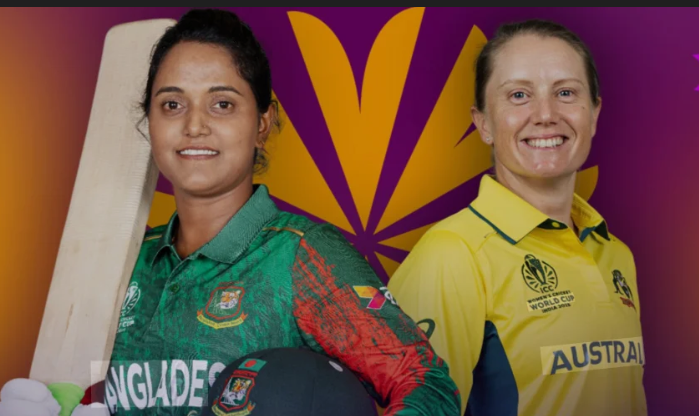
The rivalry between Bangladesh Women and Australia Women represents a fascinating contrast in international cricket. Australia Women are widely regarded as the most successful team in the history of women’s cricket, boasting multiple ICC titles and a legacy of dominance across all formats. Bangladesh Women, meanwhile, have steadily risen through the ranks of international cricket, earning respect through consistent improvement and memorable performances against stronger opponents. Although the two teams have not faced each other as frequently as some traditional rivals, every meeting has provided valuable experience for Bangladesh and an opportunity for Australia to showcase its depth and quality. This article explores the complete Bangladesh Women Vs Australia Women’s National Cricket Team Timeline, covering major matches, tournament meetings, historic moments, key players, and the evolution of this international rivalry.
Match Timeline
| Year/Date | Event |
|---|---|
| March 2014 | Bangladesh Women and Australia Women meet during the ICC Women’s World T20 in Bangladesh. Australia secures a comfortable victory. |
| March 2020 | The teams face each other in the ICC Women’s T20 World Cup in Australia. Australia wins convincingly and continues its march toward the title. |
| March 2022 | Bangladesh Women and Australia Women meet in the ICC Women’s Cricket World Cup in New Zealand. Australia records another dominant victory. |
| December 2024 | Australia Women tour Bangladesh for a multi-format series, marking one of the most significant bilateral engagements between the teams. |
| 2025–2026 | Both teams continue competing in ICC tournaments and international cricket, with Bangladesh seeking to close the gap on the world champions. |
The Beginning of the Rivalry
The rivalry began on the global stage rather than through bilateral cricket. Bangladesh Women earned opportunities to face Australia Women through qualification for ICC tournaments, allowing them to test themselves against the strongest side in women’s cricket.
For Bangladesh, these matches were important milestones in their development. Facing world-class players helped the team gain experience and understand the standards required to compete at the highest level.
Australia entered these contests as overwhelming favorites, but Bangladesh consistently viewed them as opportunities for growth and learning.
Memorable Encounters
One of the earliest notable meetings occurred during the ICC Women’s World T20 in 2014. Playing on home soil, Bangladesh Women faced immense pressure against a highly experienced Australian side.
Australia’s batting depth and bowling quality proved too strong, but Bangladesh gained valuable exposure to elite-level competition.
Another significant encounter came during the ICC Women’s T20 World Cup 2020. Australia, playing at home, delivered a commanding performance and eventually went on to win the tournament.
The 2022 ICC Women’s Cricket World Cup meeting provided Bangladesh another opportunity to challenge the world’s top-ranked team in the 50-over format.
Important Milestones
Several milestones have defined the relationship between the two teams.
Bangladesh Women’s qualification for major ICC tournaments allowed them to regularly compete against elite nations such as Australia.
Australia continued to add to its remarkable list of achievements through World Cup victories and record-breaking performances.
For Bangladesh, every competitive performance against Australia represented progress in their journey toward becoming a stronger international side.
| Milestone | Team |
|---|---|
| First ICC Tournament Meeting | Bangladesh Women vs Australia Women, 2014 |
| ICC Women’s T20 World Cup Champions | Australia Women |
| ICC Women’s Cricket World Cup Champions | Australia Women |
| Rise to ICC Elite Competition | Bangladesh Women |
| First Major Bilateral Series | Australia Women Tour of Bangladesh |
Tournament Meetings
ICC tournaments have provided the majority of meetings between the teams.
In Women’s T20 World Cups, Australia has generally relied on aggressive batting and disciplined bowling attacks to control matches.
Women’s Cricket World Cup contests have often highlighted Australia’s ability to build large totals and defend them effectively.
For Bangladesh, tournament meetings have been opportunities to gain experience against some of the world’s best cricketers and improve their performance on the global stage.
Historic Wins
Australia Women have dominated the head-to-head record and have secured every major victory in the rivalry.
Many of these wins were built on complete team performances featuring strong batting partnerships, effective pace bowling, and exceptional fielding standards.
Although Bangladesh has yet to record a historic victory over Australia, several performances have demonstrated the team’s growing competitiveness and potential for future success.
As Bangladesh continues to develop, future contests may become significantly closer.
Record-Breaking Performances
Australia Women have produced numerous record-breaking performances against Bangladesh.
Their batters have frequently posted large totals, while their bowlers have restricted Bangladesh’s scoring opportunities through disciplined line-and-length bowling.
Several Australian players have registered centuries, half-centuries, and multiple wicket hauls during meetings between the teams.
| Performance Type | Significance |
|---|---|
| Century Innings | Helped Australia build dominant totals |
| Match-Winning Fifties | Stabilized innings and accelerated scoring |
| Four and Five-Wicket Hauls | Restricted Bangladesh batting lineups |
| Large Partnerships | Demonstrated Australia’s batting depth |
| Economical Bowling Spells | Maintained pressure throughout innings |
Key Players in the Rivalry
Several star players have influenced matches between Bangladesh Women and Australia Women.
For Australia, Meg Lanning was one of the most successful captains in women’s cricket history. Alyssa Healy, Ellyse Perry, Beth Mooney, and Ashleigh Gardner have also played important roles.
Bangladesh Women have relied on players such as Nigar Sultana, Salma Khatun, Nahida Akter, and Fahima Khatun to challenge stronger opposition.
| Australia Women Players | Bangladesh Women Players |
|---|---|
| Meg Lanning | Nigar Sultana |
| Alyssa Healy | Salma Khatun |
| Ellyse Perry | Nahida Akter |
| Beth Mooney | Fahima Khatun |
| Ashleigh Gardner | Murshida Khatun |
These players have helped shape the narrative of the rivalry through their performances and leadership.
Head-to-Head Record
Australia Women have maintained a dominant record against Bangladesh Women across formats.
| Format | Matches | Australia Women Wins | Bangladesh Women Wins |
|---|---|---|---|
| ODIs | Multiple Meetings | Majority of Wins | Few or None |
| T20Is | Multiple Meetings | Majority of Wins | Few or None |
| ICC Events | Several Meetings | Dominant Record | Limited Success |
The statistics reflect Australia’s status as one of the strongest teams in women’s cricket history.
Bangladesh Women vs Australia Women’s National Cricket Team Stats
Playing Styles and Tactical Comparison
Australia Women are known for their aggressive and fearless approach to cricket.
Their batting lineup attacks from the beginning of an innings, while the bowling unit consistently applies pressure through pace and spin options.
Bangladesh Women often focus on disciplined bowling, patient batting, and tactical planning. Their success frequently depends on building partnerships and maintaining consistency throughout a match.
The contrast in styles has made their meetings particularly interesting from a tactical perspective.
Recent Meetings
Recent encounters have shown signs of progress for Bangladesh Women despite Australia’s continued dominance.
Bangladesh’s players have become more experienced through participation in international leagues and ICC tournaments.
Australia remains the benchmark for excellence in women’s cricket, but Bangladesh has demonstrated steady improvement in areas such as fielding, fitness, and bowling discipline.
These developments suggest that future contests may become increasingly competitive.
Major Records
| Category | Record |
|---|---|
| First Major Meeting | ICC Women’s World T20 2014 |
| First ODI Meeting | ICC Women’s Cricket World Cup Cycle |
| Most Successful Team | Australia Women |
| Multiple ICC Tournament Clashes | Both Teams |
| Highest Team Totals | Australia Women |
| Most Dominant Performances | Australia Women |
These records highlight Australia’s dominance while also reflecting Bangladesh’s growing presence in international women’s cricket.
Frequently Asked Questions
When did Bangladesh Women first play Australia Women?
The teams first met in major ICC competition during the 2014 ICC Women’s World T20.
Has Bangladesh Women ever defeated Australia Women?
Australia Women have historically dominated the rivalry, and Bangladesh has found victories difficult against the world champions.
Which tournaments have featured matches between the teams?
They have met in ICC Women’s T20 World Cups, ICC Women’s Cricket World Cups, and bilateral international series.
Who are the most notable players in this rivalry?
Meg Lanning, Alyssa Healy, Ellyse Perry, Beth Mooney, Nigar Sultana, and Salma Khatun are among the most recognizable names.
Why is this rivalry important?
The rivalry showcases the development of Bangladesh Women while highlighting the sustained excellence of Australia Women, one of the greatest teams in cricket history.
Conclusion
The Bangladesh Women Vs Australia Women’s National Cricket Team Timeline reflects the journey of a developing cricket nation competing against the most successful team in women’s cricket history. While Australia Women have dominated the results, Bangladesh Women have continued to grow through each encounter, gaining valuable experience against elite opposition. From ICC tournament clashes to bilateral contests, these matches have contributed to the development of women’s cricket and provided important milestones for both teams. As Bangladesh continues to strengthen its squad and Australia maintains its world-class standards, future meetings promise to add new chapters to this evolving cricket story.