Table of Contents
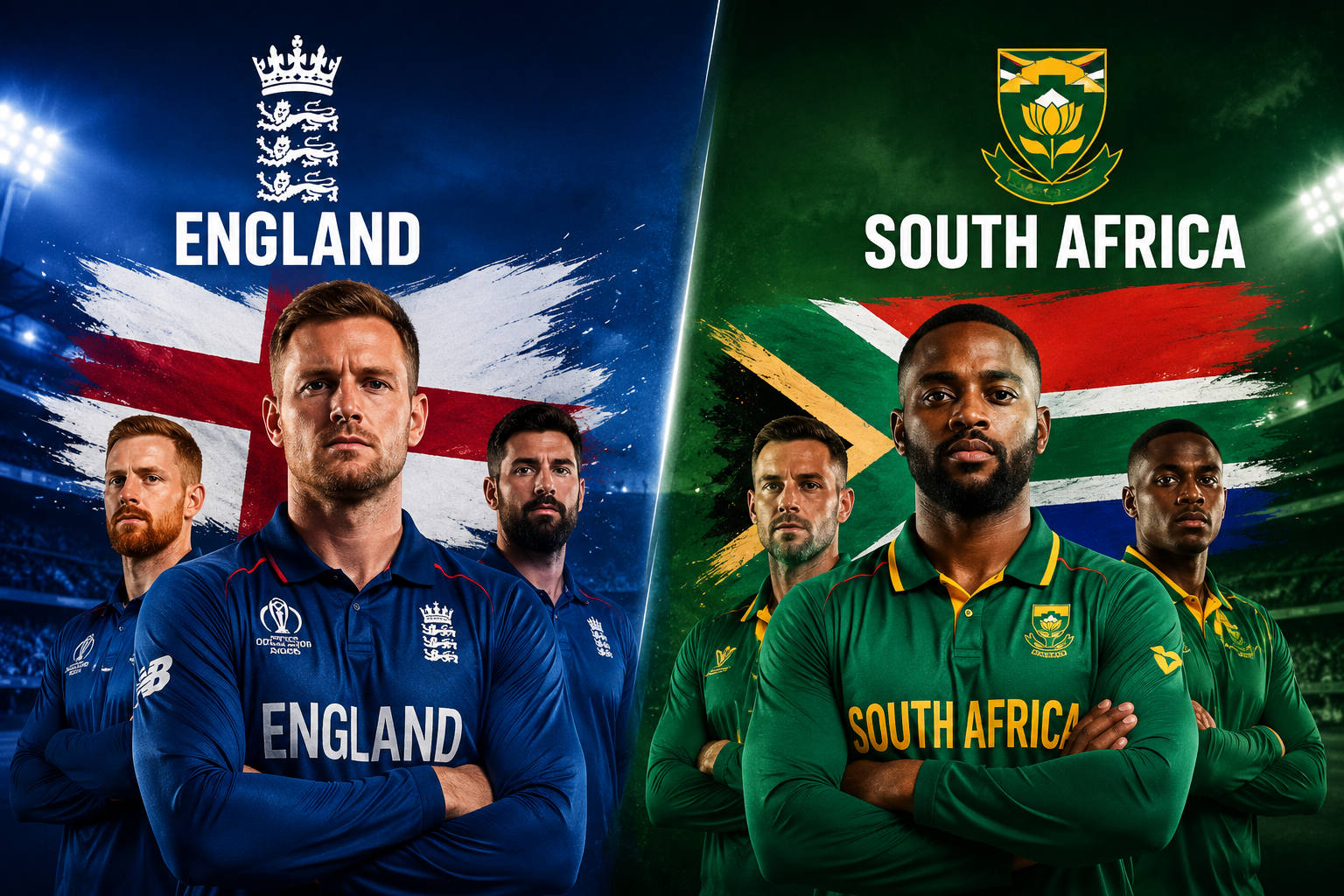
The rivalry between England and South Africa has produced some of the most memorable moments in international cricket. Spanning multiple generations, this contest has featured legendary batsmen, world-class fast bowlers, dramatic finishes, and intense battles across Test matches, One Day Internationals, and T20 Internationals. Every era has added a new chapter, from historic early encounters to modern high-pressure clashes. Fans from both nations have witnessed remarkable performances, tactical masterclasses, and record-breaking achievements that continue to shape cricket history. This rivalry is more than a series of matches; it is a story of pride, resilience, competition, and mutual respect between two cricketing powerhouses.
Recent Matches Table
| Match Date | Format | Venue | Batting First | Score 1 | Score 2 | Match Result |
| 02 Sep 2025 | ODI | Leeds | England | 131 All Out | 137/3 | South Africa won by 7 wkts |
| 04 Sep 2025 | ODI | Lord’s | South Africa | 330/8 | 325/9 | South Africa won by 5 runs |
| 07 Sep 2025 | ODI | Southampton | England | 414/5 | 72 All Out | England won by 342 runs |
| 10 Sep 2025 | T20I | Cardiff | South Africa | 97/5 | 54/5 | South Africa won by 14 runs |
| 12 Sep 2025 | T20I | Manchester | England | 304/2 | 158 All Out | England won by 146 runs |
| 14 Sep 2025 | T20I | Nottingham | N/A | N/A | N/A | Match Abandoned (Rain) |
Match Overview Table
| Team Category | Match Format | Total Played | England Won | South Africa Won | Tied Matches | No Result / Drawn |
| Men’s Squad | Test Matches | 155 | 65 | 35 | 0 | 55 |
| Men’s Squad | ODI Matches | 74 | 31 | 37 | 1 | 5 |
| Men’s Squad | T20I Matches | 27 | 12 | 14 | 0 | 1 |
| Women’s Squad | Test Matches | 7 | 3 | 0 | 0 | 4 |
| Women’s Squad | ODI Matches | 42 | 31 | 10 | 0 | 1 |
| Women’s Squad | T20I Matches | 25 | 20 | 5 | 0 | 0 |
Best Bowling Figures Table
| Bowler Name | Team | Format | Figures (Wk/Runs) | Overs Bowled | Venue | Match Year |
| Sydney Barnes | ENG | Test | 9/103 | 38.3 | Johannesburg | 1913 |
| Richard Hallam | ENG | Test | 8/53 | 27.0 | Lord’s | 1960 |
| Hugh Tayfield | SA | Test | 7/65 | 30.1 | Durban | 1957 |
| Jofra Archer | ENG | ODI | 6/40 | 9.1 | Kimberley | 2023 |
| M. Ntini | SA | ODI | 4/29 | 10.0 | Port Elizabeth | 2005 |
| Imran Tahir | SA | T20I | 5/24 | 4.0 | Cardiff | 2017 |
Statistical Comparison Table
| Cricket Format | Statistic Type | England Men | South Africa Men | England Women | South Africa Women | Global Milestone Holder |
| Test | Highest Score | 654/5 | 682/6 | 395/9d | 281 All Out | South Africa Men |
| Test | Lowest Score | 76 All Out | 30 All Out | 93 All Out | 64 All Out | South Africa Men |
| ODI | Highest Score | 414/5 | 399/7 | 373/5 | 319/7 | England Men |
| ODI | Lowest Score | 83 All Out | 72 All Out | 73/0 | 69 All Out | South Africa Women |
| T20I | Highest Score | 304/2 | 244/3 | 250/3 | 168/6 | England Men |
| T20I | Lowest Score | 111 All Out | 97/5 | 125/3 | 124 All Out | South Africa Men |
Match Result and Player of the Match Table
| Match Stage | Toss Winner | Chosen To… | Victory Margin | Match Referee | Official Umpires | Player of the Match |
| 1st ODI | England | Bat First | SA by 7 Wickets | J. Srinath | G. Lloyd / M. Saggers | Keshav Maharaj |
| 2nd ODI | South Africa | Bat First | SA by 5 Runs | J. Srinath | M. Burns / R. Warren | Heinrich Klaasen |
| 3rd ODI | England | Bat First | ENG by 342 Runs | J. Srinath | G. Lloyd / M. Burns | Harry Brook |
| 1st T20I | England | Field First | SA by 14 Runs | J. Srinath | G. Lloyd / M. Saggers | Donovan Ferreira |
| 2nd T20I | South Africa | Field First | ENG by 146 Runs | J. Srinath | G. Lloyd / M. Burns | Philip Salt |
| 3rd T20I | N/A | N/A | Abandoned | J. Srinath | M. Burns / R. Warren | None |
When Two Cricketing Powers First Crossed Paths
The rivalry began with two proud cricketing nations testing each other’s strengths in the longest format of the game. Early encounters were built on patience, discipline, and traditional cricket values rather than aggressive tactics. Players focused on occupying the crease, building partnerships, and wearing down opponents through long spells. These matches laid the foundation for a rivalry that would grow stronger with every decade. Spectators were fascinated by the contrast in styles, while selectors and captains searched for tactical advantages. The opening contests produced memorable performances that helped establish respect between both camps and created anticipation for future meetings.
| Early Era | Style of Play | Key Strength | Match Impact |
| Opening Series | Defensive Cricket | Patience | Rivalry Began |
| First Test Wins | Long Innings | Batting Depth | Momentum Shift |
| Bowling Battles | Swing Bowling | Accuracy | Tight Results |
| Team Development | Tactical Growth | Consistency | Greater Competition |
| Fan Interest | Historic Matches | Tradition | Growing Attention |
Dominance, Pride, and the Battle for Respect
As both sides gained experience, the contests became increasingly competitive. Victories were no longer determined solely by skill but also by mental strength and tactical planning. Captains made bold decisions regarding field placements and bowling rotations, while batsmen learned to handle pressure situations more effectively. Pride became a major factor because every series offered an opportunity to establish superiority. The rivalry evolved into a contest where small moments often influenced entire matches. Players understood the importance of every session, and supporters became emotionally invested in each result, making victories even more meaningful.
| Phase | Team Focus | Major Factor | Result Trend |
| Competitive Era | Winning Series | Confidence | Close Matches |
| Tactical Growth | Field Settings | Strategy | Better Results |
| Strong Leadership | Team Unity | Discipline | Consistency |
| Rising Standards | Skill Development | Preparation | Improvement |
| Fan Support | National Pride | Motivation | High Intensity |
The Rivalry Interrupted by History
A significant interruption prevented the rivalry from developing continuously. During this period, many talented players lost opportunities to compete on the international stage against familiar opponents. Fans who had enjoyed previous battles were left waiting for the rivalry’s return. Cricket itself changed during these years, with new strategies, training methods, and professional standards emerging. The absence created curiosity about how future encounters would unfold once competition resumed. When discussions about a return began, anticipation grew rapidly because supporters wanted to see whether old rivalries could be reignited in a new era.
| Period | Main Effect | Impact on Players | Fan Reaction |
| Interruption | Fewer Matches | Lost Opportunities | Disappointment |
| Transition | Changing Cricket | New Challenges | Curiosity |
| Waiting Years | Rivalry Paused | Limited Exposure | Anticipation |
| Professional Growth | Modern Methods | Better Preparation | Renewed Interest |
| Return Talks | Future Hope | Fresh Chances | Excitement |
South Africa’s Return and an Instant Revival
The return of international competition immediately revived interest in this historic contest. Players carried fresh ambitions while supporters embraced the renewed rivalry with enthusiasm. The matches were intense because both teams wanted to make strong statements. Captains relied on aggressive tactics, and bowlers attacked with greater intent. Batting units also adapted to modern expectations by scoring at faster rates. The atmosphere surrounding these contests demonstrated how much the rivalry had been missed. Every session attracted attention from cricket followers eager to witness the next chapter in a long-standing sporting relationship.
| Return Phase | Team Objective | Key Feature | Outcome |
| Comeback Series | Strong Start | High Energy | Competitive Games |
| Modern Cricket | Faster Scoring | Aggression | Exciting Results |
| Leadership Focus | Tactical Plans | Innovation | Better Execution |
| Bowling Threat | Attacking Lines | Pressure | Crucial Wickets |
| Fan Engagement | Renewed Rivalry | Excitement | Strong Support |
The Era of Pollock, Donald, Atherton and Stewart
This period produced some of the rivalry’s most respected contests. Elite fast bowlers challenged accomplished batsmen in conditions that rewarded skill and patience. Every run felt valuable because bowling attacks rarely allowed easy scoring opportunities. Captains demanded discipline, while experienced players led by example. Media coverage expanded significantly, bringing greater attention to individual battles within the larger rivalry. These years helped shape modern perceptions of the contest and produced memorable performances that remain part of cricket history. The combination of talent, determination, and tactical awareness elevated the rivalry to a new level.
| Element | Importance | Team Benefit | Match Influence |
| Fast Bowling | Major Weapon | Wicket Taking | Match Control |
| Experienced Captains | Leadership | Stability | Better Decisions |
| Strong Batting | Run Building | Competitive Totals | Pressure Creation |
| Tactical Planning | Strategy | Consistency | Key Advantage |
| Media Coverage | Wider Audience | Recognition | Greater Interest |
When Every Session Felt Like a Final
As competition intensified, individual sessions often carried enormous significance. A single partnership, bowling spell, or fielding effort could dramatically alter the direction of a match. Teams prepared extensively, analyzing opponents and developing specific game plans. Pressure situations became common, especially during decisive series encounters. Players embraced responsibility and looked for opportunities to influence results through disciplined execution. Supporters followed every moment closely because outcomes frequently remained uncertain until late in the contest. These dramatic encounters strengthened the rivalry’s reputation for producing high-quality cricket under intense pressure.
| Match Element | Importance | Strategic Value | Impact |
| Key Sessions | High Pressure | Momentum Control | Result Changing |
| Partnerships | Stability | Run Accumulation | Competitive Edge |
| Bowling Spells | Breakthroughs | Pressure Building | Wickets |
| Fielding Efforts | Saving Runs | Team Support | Match Influence |
| Tactical Execution | Game Plans | Consistency | Success |
Flintoff, Kallis, Smith and the Rise of Modern Giants
A new generation brought fresh energy and transformed the rivalry into a modern spectacle. Powerful batting, athletic fielding, and advanced tactical preparation became defining features of this era. Teams adapted to changing formats while maintaining their competitive spirit. Star performers regularly influenced major contests through match-winning contributions. The rivalry attracted global attention because it combined traditional cricket values with contemporary attacking strategies. Supporters enjoyed dramatic finishes, outstanding individual displays, and intense competition. This period reinforced the rivalry’s status as one of the most respected and closely followed contests in international cricket.
| Modern Era | Key Feature | Competitive Strength | Legacy |
| New Generation | Fresh Talent | Greater Depth | Lasting Impact |
| Powerful Batting | Fast Scoring | Match Control | Entertainment |
| Athletic Fielding | Run Saving | Efficiency | Higher Standards |
| Tactical Evolution | Data Analysis | Better Planning | Modern Approach |
| Global Attention | Wide Audience | Popularity | Strong Reputation |
Conclusion
Over the years, the England and South Africa rivalry has evolved into one of cricket’s most respected contests. The battles have showcased outstanding individual talent, strong leadership, and unforgettable team performances across all formats of the game. Each generation has contributed unique moments that strengthened the rivalry and increased its global appeal. Whether through thrilling Test matches, exciting ODI encounters, or explosive T20 contests, both teams have consistently delivered high-quality cricket. As new stars emerge and future series unfold, this historic rivalry remains an important part of the sport, continuing to captivate fans and create lasting memories around the world.
Frequently Asked Questions
What makes the England and South Africa rivalry special?
The rivalry combines a rich history, competitive matches, legendary players, and memorable performances across all formats of international cricket.
Which format has produced the most memorable contests between the two teams?
Test cricket has delivered many historic encounters, although ODI and T20 matches have also produced several thrilling finishes.
Who are some of the most famous players in this rivalry?
Notable names include Jacques Kallis, Graeme Smith, Allan Donald, Shaun Pollock, Andrew Flintoff, James Anderson, and AB de Villiers.
Why is this rivalry important in international cricket?
Both teams have consistently ranked among the strongest cricket nations, making their encounters highly competitive and globally significant.
Has the rivalry changed in the modern era?
Yes, modern cricket has introduced faster scoring rates, advanced analytics, aggressive tactics, and greater emphasis on fitness and athletic fielding.