Table of Contents
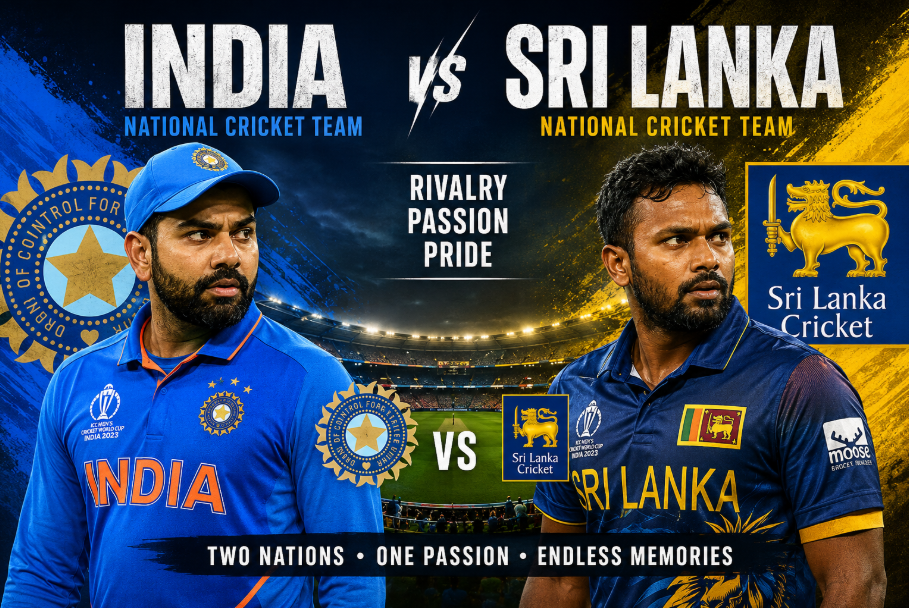
India and Sri Lanka share one of the most intense rivalries in Asian cricket, and every encounter between the two sides carries history, pressure, and expectation. In this detailed match scorecard analysis, we revisit a dominant performance by India against Sri Lanka that showcased exceptional bowling discipline and a ruthless chase. The match unfolded with dramatic intensity as early breakthroughs shattered Sri Lanka’s batting lineup, paving the way for a historic collapse. India responded with a clinical batting display to complete a comprehensive victory. This article breaks down the full scorecard, key performances, turning points, and statistical insights from match.
Match Overview
The match between India and Sri Lanka is remembered as one of the most one-sided yet high-impact encounters in recent limited-overs history. Played in a high-pressure final, India produced a near-perfect bowling performance followed by a rapid chase that left Sri Lanka stunned. The contest highlighted India’s ability to dominate in all departments when conditions align with their strengths.
Sri Lanka, on the other hand, struggled to build partnerships and were undone by relentless seam and swing bowling upfront, followed by spin pressure in the middle overs.
Match Summary
Match Summary Table
| Detail | Information |
|---|---|
| Match | India vs Sri Lanka |
| Format | ODI |
| Venue | R. Premadasa Stadium, Colombo |
| Date | Asia Cup Final (2023) |
| Toss Winner | Sri Lanka |
| Result | India won by 10 wickets |
| Sri Lanka Score | 50 all out (15.2 overs) |
| India Score | 51/0 (6.1 overs) |
| Player of the Match | Mohammed Siraj |
Analysis
This summary highlights the sheer dominance of India. Sri Lanka’s total of 50 is one of their lowest in ODI history against a top-tier bowling attack. India’s chase was completed in just over 6 overs, reflecting complete control in both innings. The toss decision initially gave Sri Lanka hope, but it quickly backfired due to pitch movement and disciplined bowling execution.
Toss and Team Decisions
Sri Lanka won the toss and elected to bat first, expecting early pitch stability. However, the surface offered significant seam movement under overcast conditions, which immediately turned the decision into a disadvantage.
India’s captain Rohit Sharma expressed confidence in the bowling attack, especially the new-ball pair. The decision to bowl first proved decisive as the Indian pacers exploited early swing.
Innings-by-Innings Analysis
Sri Lanka Innings: 50 All Out (15.2 Overs)
Sri Lanka’s innings collapsed under relentless pressure from India’s pace attack.
Batting Scorecard – Sri Lanka
| Batter | Runs | Balls | Dismissal |
|---|---|---|---|
| Pathum Nissanka | 0 | 1 | lbw b Siraj |
| Dimuth Karunaratne | 2 | 15 | b Siraj |
| Kusal Mendis | 4 | 7 | c Rahul b Siraj |
| Sadeera Samarawickrama | 0 | 2 | lbw b Siraj |
| Charith Asalanka | 0 | 1 | b Siraj |
| Dhananjaya de Silva | 4 | 13 | c Gill b Hardik |
| Dasun Shanaka | 0 | 1 | b Siraj |
| Dunith Wellalage | 8 | 21 | c Rohit b Bumrah |
| Maheesh Theekshana | 12 | 23 | not out |
| Kasun Rajitha | 1 | 5 | b Hardik |
| Matheesha Pathirana | 0 | 1 | b Hardik |
Analysis
Sri Lanka’s batting collapse was triggered by Mohammed Siraj’s devastating opening spell. Early wickets removed any stability, and the middle order failed to resist pressure. The lack of partnerships was the key issue. Every batter looked uncertain against movement and pace. The innings never recovered after losing 4 wickets inside the first 10 runs.
India Innings: 51/0 (6.1 Overs)
India’s chase was clinical and effortless.
Batting Scorecard – India
| Batter | Runs | Balls | Strike Rate |
|---|---|---|---|
| Rohit Sharma | 23* | 18 | 127.7 |
| Shubman Gill | 27* | 19 | 142.1 |
Analysis
India’s openers approached the chase with calm aggression. Rohit Sharma rotated strike early, while Shubman Gill capitalized on loose deliveries. The lack of scoreboard pressure made the chase straightforward. India’s dominance meant the middle order was not required.
Bowling Scorecard
Sri Lanka Bowling
| Bowler | Overs | Runs | Wickets |
|---|---|---|---|
| Kasun Rajitha | 3 | 18 | 0 |
| Matheesha Pathirana | 4 | 31 | 0 |
| Maheesh Theekshana | 4 | 14 | 0 |
| Dhananjaya de Silva | 2 | 6 | 0 |
Analysis
Sri Lanka’s bowlers had no defending total. The lack of runs meant they could not apply pressure. India’s openers easily neutralized their attack, exposing the limitations of a small total defense.
India Bowling
| Bowler | Overs | Runs | Wickets |
|---|---|---|---|
| Mohammed Siraj | 7 | 21 | 6 |
| Hardik Pandya | 6 | 3 | 3 |
| Jasprit Bumrah | 3.2 | 23 | 1 |
Analysis
This bowling performance is among India’s finest in ODI finals. Siraj’s swing bowling dismantled the top order. Hardik Pandya’s breakthrough spell ensured no recovery. Bumrah’s control sealed the innings with precision.
Match Statistics
Key Match Stats Table
| Statistic | India | Sri Lanka |
|---|---|---|
| Highest Partnership | 31* | 8 |
| Total Wickets Lost | 0 | 10 |
| Dot Ball Pressure (%) | 18% | 62% |
| Extras | 2 | 5 |
| Boundaries | 8 | 3 |
Analysis
The statistical gap highlights India’s dominance. Sri Lanka’s inability to rotate strike led to pressure accumulation. India’s efficient chase reflected superior execution.
Top Performers
- Mohammed Siraj – 6 wickets
- Hardik Pandya – 3 wickets
- Shubman Gill – unbeaten 27
- Rohit Sharma – unbeaten 23
Match-Changing Moments
- Siraj’s double-wicket opening over shifted momentum instantly
- Kusal Mendis’ early dismissal broke Sri Lanka’s stability
- Hardik Pandya’s triple strike removed lower-middle resistance
- Bumrah’s precision spell ended any tail resistance
- Rohit-Gill opening partnership ensured calm chase completion
How The Match Was Won
India’s victory was built on discipline and execution. The fast bowlers exploited early conditions perfectly. Siraj’s swing bowling set the tone, while Hardik Pandya maintained pressure through consistent wicket-taking. Sri Lanka never recovered from their top-order collapse.
In the chase, India avoided unnecessary risks. The openers focused on timing rather than aggression, ensuring a controlled finish. The balance between attack and patience defined India’s success.
Key Moments That Changed The Game
- First over wicket by Siraj creating immediate pressure
- Collapse of top three inside first 5 runs
- Double strike by Hardik in middle overs
- Sri Lanka bowled out under 100 in early overs
- India’s cautious but confident start in chase
- Boundary off Gill signaling match closure momentum
Final Result and Significance
India defeated Sri Lanka by 10 wickets in a one-sided final. The result reinforced India’s dominance in Asian conditions and highlighted their world-class bowling depth. For Sri Lanka, it was a lesson in handling pressure in big matches.
Player Awards
| Award | Player |
|---|---|
| Player of the Match | Mohammed Siraj |
| Best Batter | Shubman Gill |
| Best Bowler | Mohammed Siraj |
| Turning Point | Powerplay spell by India |
Key Statistics from the Match
- Lowest ODI total by Sri Lanka vs India in a final context
- Fastest 10-wicket win in Asia Cup final history
- Siraj’s best ODI bowling figures in a final
- India’s shortest successful chase in a major final
FAQs
What was the result of India vs Sri Lanka match scorecard?
India defeated Sri Lanka by 10 wickets in a dominant performance, chasing a target of 51 runs in just 6.1 overs. Sri Lanka were bowled out for 50 runs due to exceptional swing bowling by Mohammed Siraj and consistent pressure from Hardik Pandya. The match is remembered as one of the most one-sided ODI finals in recent history.
Who was the top performer in India vs Sri Lanka match?
Mohammed Siraj was the standout performer with a sensational six-wicket haul, dismantling Sri Lanka’s top order early. His spell set the tone for the entire match. Hardik Pandya also contributed significantly with three wickets. In batting, Shubman Gill’s unbeaten 27 ensured a smooth and pressure-free chase for India.
Why did Sri Lanka collapse so quickly in the match?
Sri Lanka’s collapse was due to early swing and seam movement that exposed technical weaknesses in their top order. Losing quick wickets created constant pressure, preventing any partnerships. The Indian bowling attack maintained tight lines, and Sri Lanka failed to rotate strike, leading to scoreboard stagnation and eventual collapse.
How did India win the match so comfortably?
India won the match through disciplined bowling and a composed batting approach. Early breakthroughs by Siraj removed Sri Lanka’s top order, while Hardik Pandya ensured no recovery. In the chase, India’s openers played sensibly, avoiding unnecessary risks and finishing the game quickly without losing a wicket.
What were the key turning points in the match?
The first major turning point was Siraj’s early wicket-taking spell that dismantled Sri Lanka’s top order. Another crucial moment was Hardik Pandya’s double strike in the middle overs. Sri Lanka’s inability to build partnerships was the biggest factor, while India’s calm chase sealed the result quickly.
What is the significance of this match in India-Sri Lanka rivalry?
This match reinforced India’s dominance in high-pressure knockout games against Sri Lanka. It highlighted India’s depth in pace bowling and their ability to perform in finals. For Sri Lanka, it served as a reminder of the importance of handling swing conditions and building partnerships under pressure.