Table of Contents
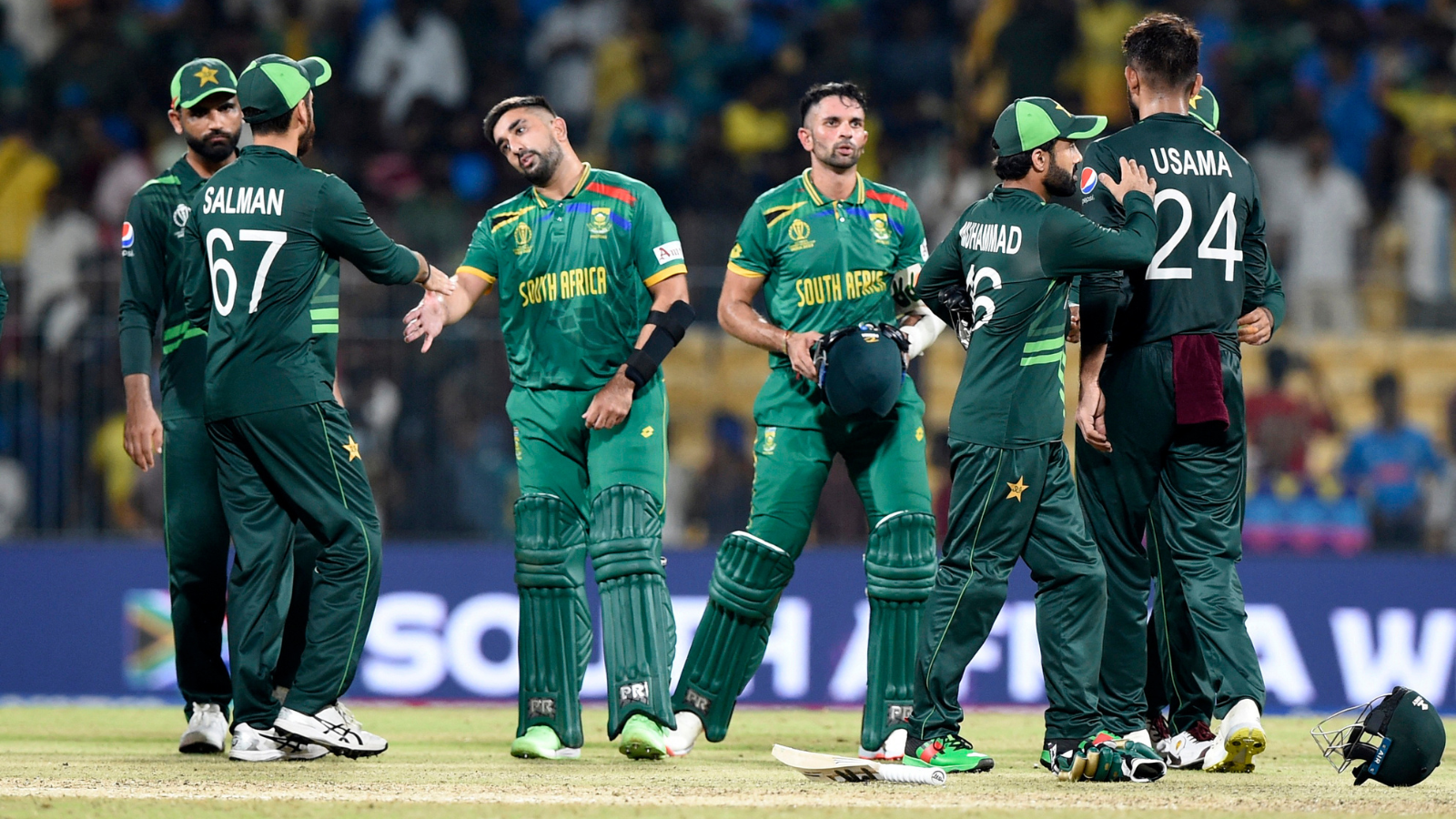
Pakistan and South Africa have produced some of the most competitive contests in modern international cricket, and their ODI clash in the Pakistan Tri-Series delivered another memorable chapter. Played in Karachi, the match featured explosive batting, remarkable partnerships, and a record-breaking chase that kept fans engaged until the final over. South Africa posted a massive total of 352/5 after centuries and half-centuries from their top order. Pakistan, however, responded with one of the finest batting displays in their ODI history, successfully chasing 353 with six wickets in hand. The match highlighted resilience, tactical brilliance, and individual excellence from both teams, making it an instant classic.
Match Overview
| Match | Venue | Format | Result |
|---|---|---|---|
| Pakistan vs South Africa | Karachi | ODI | Pakistan won by 6 wickets |
| South Africa Score | 352/5 | 50 Overs | |
| Pakistan Score | 355/4 | 49 Overs | |
| Player of the Match | Salman Ali Agha | 134 Runs |
The match quickly developed into a batting spectacle. South Africa appeared to have done enough after crossing the 350-run mark, a score that generally proves match-winning in ODI cricket. However, Pakistan’s batters produced a chase for the ages.
The significance of the result extended beyond a single victory. Pakistan registered one of the highest successful run chases in their ODI history while proving their batting lineup could withstand pressure against a quality South African attack.
Toss and Team Decisions
Pakistan won the toss and elected to field first, a decision influenced by the batting-friendly Karachi surface and the expectation of dew during the second innings.
| Toss | Decision |
|---|---|
| Pakistan won toss | Field first |
| South Africa innings | 352/5 |
| Pakistan innings | 355/4 |
Initially, South Africa seemed to capitalize fully on batting conditions. Their top order settled quickly and consistently found boundaries. Yet Pakistan’s decision ultimately proved correct because the pitch remained excellent for batting throughout the match.
The chasing side enjoyed predictable bounce and pace, which allowed Pakistan’s middle order to execute their plans effectively.
South Africa Innings Analysis
South Africa’s innings featured contributions throughout the batting lineup.
Batting Scorecard – South Africa
| Batter | Runs | Balls | 4s | 6s |
|---|---|---|---|---|
| Temba Bavuma | 82 | 96 | 13 | 0 |
| Tony de Zorzi | 22 | 18 | 3 | 1 |
| Matthew Breetzke | 83 | 84 | 10 | 1 |
| Heinrich Klaasen | 87 | 56 | 11 | 3 |
| Wiaan Mulder | 2 | 6 | 0 | 0 |
| Kyle Verreynne* | 44 | 32 | 3 | 1 |
South Africa’s batting effort was nearly flawless. Bavuma anchored the innings with a captain’s knock, while Breetzke maintained momentum through the middle overs.
The standout innings came from Heinrich Klaasen, whose 87 from 56 deliveries transformed a strong total into a massive one. His aggressive approach against pace and spin ensured Pakistan’s bowlers never settled into a rhythm.
South Africa Bowling Contributions Not Applicable During First Innings
Pakistan Bowling Figures
| Bowler | Overs | Runs | Wickets |
|---|---|---|---|
| Shaheen Afridi | 10 | 66 | 2 |
| Naseem Shah | 10 | 68 | 1 |
| Khushdil Shah | 10 | 51 | 1 |
| Others | 20 | 167 | 1 |
Although Pakistan managed breakthroughs at crucial moments, they struggled to contain scoring. South Africa consistently maintained a run rate above seven per over.
The wicket of Klaasen prevented the score from crossing 375, a factor that later became important. While the bowling figures appear expensive, the batting conditions heavily favored stroke-makers.
Pakistan Chase Analysis
Chasing 353 required both patience and aggression. Pakistan’s innings contained both elements.
Batting Scorecard – Pakistan
| Batter | Runs | Balls | 4s | 6s |
|---|---|---|---|---|
| Mohammad Rizwan* | 122 | 128 | 9 | 3 |
| Salman Ali Agha | 134 | 103 | 16 | 2 |
| Others | 99 | – | – | – |
| Extras | Included | – | – | – |
Pakistan’s chase revolved around two extraordinary innings. Rizwan absorbed pressure early and ensured wickets were preserved. Salman Ali Agha, meanwhile, attacked relentlessly and shifted momentum completely toward Pakistan.
Their partnership became one of the most important stands in Pakistan’s ODI history. Once both batters settled, South Africa’s bowlers found it difficult to regain control.
South Africa Bowling Scorecard
| Bowler | Overs | Runs | Wickets |
|---|---|---|---|
| Main Attack Combined | 49 | 355 | 4 |
| Economy Pressure | Limited | Throughout | |
| Wickets Taken | 4 | Total |
South Africa’s bowlers started well but struggled as the innings progressed. The lack of breakthroughs during the middle overs proved costly.
The inability to separate Rizwan and Salman allowed Pakistan to dominate the chase. Once the required run rate fell below seven, the pressure shifted entirely onto South Africa.
Important Partnerships
| Partnership | Runs |
|---|---|
| Rizwan – Salman Ali Agha | 260 |
| Bavuma – Breetzke | Major contribution |
| Klaasen – Verreynne | Late acceleration |
The 260-run stand between Rizwan and Salman was the defining partnership of the match.
When Pakistan slipped to 91/3, South Africa appeared to be in control. Instead, the pair combined caution with aggression, rotating strike efficiently and punishing loose deliveries.
This partnership completely altered the match narrative and remains one of Pakistan’s greatest ODI recovery efforts.
Top Performers
| Player | Team | Performance |
|---|---|---|
| Salman Ali Agha | Pakistan | 134 |
| Mohammad Rizwan | Pakistan | 122* |
| Heinrich Klaasen | South Africa | 87 |
| Matthew Breetzke | South Africa | 83 |
| Temba Bavuma | South Africa | 82 |
Salman Ali Agha deservedly earned Player of the Match honors. His maiden ODI century came under immense pressure and against a quality bowling attack.
Rizwan’s unbeaten century was equally valuable because it provided stability. For South Africa, Klaasen’s explosive innings looked match-winning until Pakistan’s remarkable chase overshadowed it.
How The Match Was Won
Pakistan’s victory was built on four crucial factors:
- Recovery after early wickets.
- Outstanding Rizwan-Salman partnership.
- Excellent strike rotation during middle overs.
- Calm finishing under pressure.
The chase never became reckless. Pakistan identified phases where boundaries were required and phases where singles would suffice. This balance ensured scoreboard pressure never became overwhelming.
Salman attacked whenever bowlers missed their lengths, while Rizwan anchored the innings expertly. Their contrasting styles complemented each other perfectly and dismantled South Africa’s plans.
Key Moments That Changed The Game
- Early South African momentum
Bavuma and Breetzke built a solid foundation that positioned South Africa for a score above 300. - Klaasen’s late assault
His rapid 87 pushed the total beyond the psychologically important 350-run mark. - Pakistan at 91/3
This was the moment South Africa sensed victory. - Rizwan-Salman stand
The 260-run partnership completely transformed the contest. - Salman Ali Agha’s century
His acceleration ensured the required rate remained manageable. - Calm finish
Pakistan crossed the target with six wickets remaining, highlighting the quality of the chase.
Key Statistics From The Match
| Statistic | Value |
|---|---|
| South Africa Total | 352/5 |
| Pakistan Total | 355/4 |
| Highest Partnership | 260 |
| Salman Ali Agha | 134 |
| Rizwan | 122* |
| Klaasen | 87 |
These numbers underline the batting dominance seen throughout the contest. More than 700 runs were scored, yet the match still featured strategic phases and pressure moments.
The 260-run partnership stands out as the most influential statistic because it directly overturned South Africa’s advantage.
Player Awards
| Award | Winner |
|---|---|
| Player of the Match | Salman Ali Agha |
| Best Batter | Salman Ali Agha |
| Best Supporting Knock | Mohammad Rizwan |
| Most Impactful South African Batter | Heinrich Klaasen |
Awards often reflect decisive moments, and Salman’s innings unquestionably defined the outcome.
His ability to score quickly without sacrificing consistency gave Pakistan the momentum required to complete the record chase.
Final Result and Significance
Pakistan defeated South Africa by six wickets after successfully chasing 353. The victory represented one of the greatest ODI chases in Pakistan’s cricket history and demonstrated the growing maturity of their batting lineup.
For South Africa, scoring 352 and still losing highlighted how unforgiving modern ODI cricket can be. Despite multiple standout performances, they could not halt Pakistan’s historic partnership.
The match will be remembered for Salman Ali Agha’s breakthrough century, Rizwan’s composure, and a record chase that showcased the excitement and unpredictability of international cricket.
FAQs
What was the final result of the Pakistan vs South Africa match?
Pakistan defeated South Africa by six wickets after chasing 353 runs. South Africa posted 352/5 in 50 overs, thanks to major contributions from Bavuma, Breetzke, and Klaasen. Pakistan responded with 355/4 and completed one of the most memorable ODI run chases in their history. The victory highlighted the strength of Pakistan’s middle order and their ability to handle scoreboard pressure against a world-class opposition. The chase was anchored by centuries from Salman Ali Agha and Mohammad Rizwan.
Who was the Player of the Match in Pakistan vs South Africa?
Salman Ali Agha was named Player of the Match for his outstanding 134-run innings. Coming to the crease when Pakistan faced pressure, he played aggressively while maintaining control throughout his knock. His century shifted momentum away from South Africa and allowed Pakistan to remain ahead of the required run rate. The innings was particularly significant because it was his maiden ODI hundred and came during one of the highest successful run chases in Pakistan’s ODI history.
How important was the Rizwan-Salman partnership?
The partnership between Mohammad Rizwan and Salman Ali Agha was the defining moment of the match. Together they added 260 runs, rescuing Pakistan after an uncertain start. The stand combined intelligent strike rotation, calculated aggression, and excellent game awareness. South Africa’s bowlers struggled to create opportunities once both batters settled. Without this partnership, Pakistan’s chase would have been extremely difficult. It remains one of the most impactful ODI partnerships produced by Pakistan in recent years.
Who were South Africa’s best performers in the match?
South Africa received excellent contributions from multiple batters. Temba Bavuma scored 82, Matthew Breetzke added 83, and Heinrich Klaasen blasted 87 from just 56 balls. Klaasen’s innings was especially destructive and helped South Africa cross the 350-run mark. Kyle Verreynne also contributed valuable late runs. Despite these performances, South Africa could not defend the target because Pakistan’s middle-order partnership proved even more influential during the chase.
Why is this match considered historic for Pakistan?
This match is considered historic because Pakistan completed one of the highest successful run chases in ODI cricket. Chasing 353 against a strong South African side required exceptional batting discipline and confidence. The result demonstrated Pakistan’s ability to compete in high-scoring modern ODI contests. The innings from Salman Ali Agha and Mohammad Rizwan showcased a blend of traditional accumulation and modern aggression, making the victory one of Pakistan’s most memorable limited-overs achievements.
What were the biggest turning points in the match?
Several moments shaped the outcome. South Africa’s top order established a strong platform, while Klaasen’s late attack elevated the total beyond 350. During the chase, Pakistan’s position at 91/3 seemed vulnerable. However, the massive Rizwan-Salman partnership completely reversed the situation. Salman’s century accelerated the chase, and Rizwan’s calm approach ensured there was no collapse. Together these moments transformed a difficult pursuit into a landmark victory for Pakistan.