Table of Contents
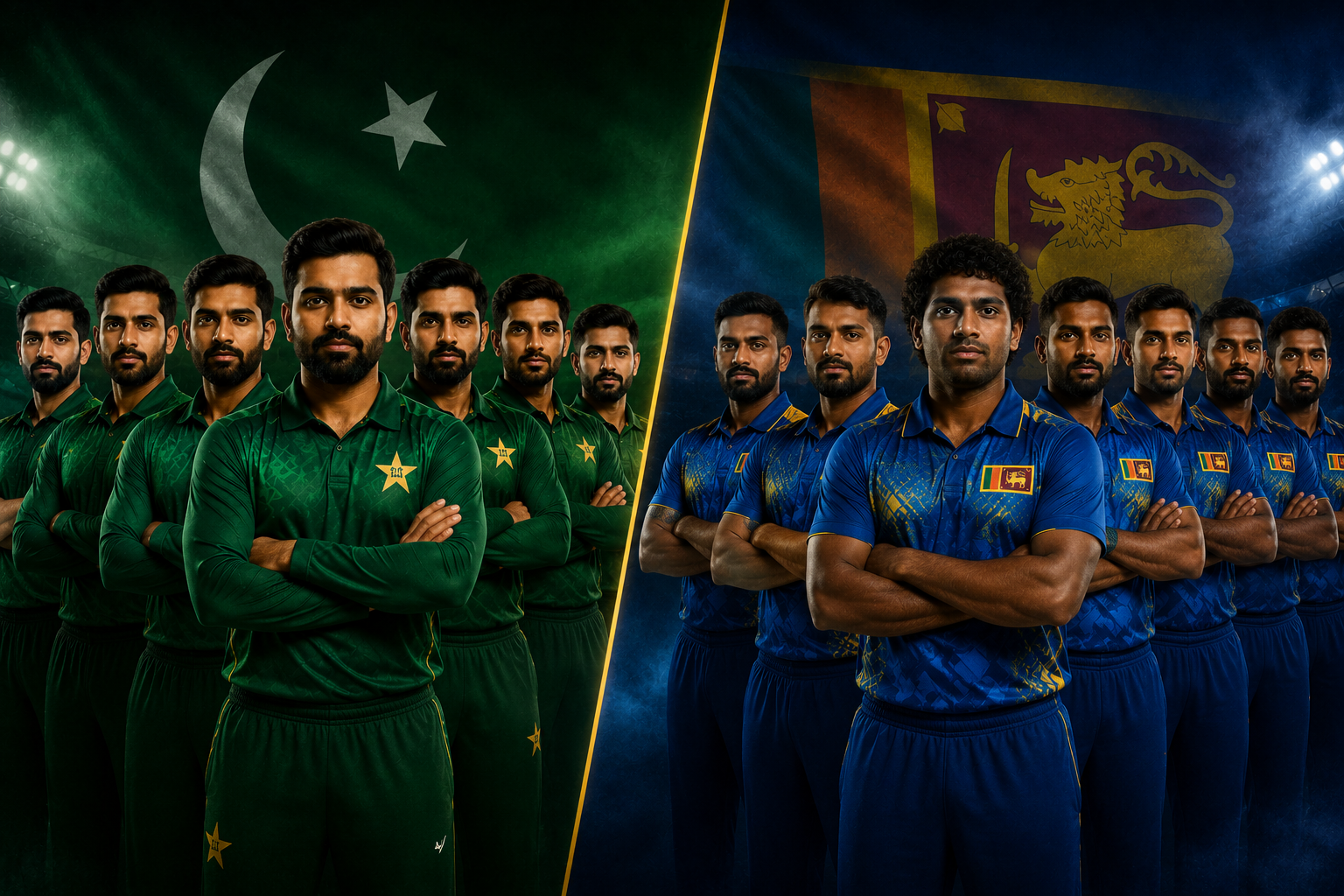
Cricket contests between these two Asian nations have consistently delivered excitement, skill, and unforgettable moments that resonate with supporters across generations. Their rivalry has evolved through changing eras, iconic performances, and matches that tested character under immense pressure. From early encounters to modern-day battles, every meeting has contributed to a rich sporting narrative shaped by resilience, tactical intelligence, and individual brilliance. Legendary cricketers have produced defining performances, while emerging stars have embraced the responsibility of carrying national expectations. This journey reflects more than statistics alone, capturing emotions, turning points, and the enduring spirit that makes their encounters truly memorable.
Match Overview Table
| Match & Format | Venue Location | Toss Winner | Match Winner | Top Team Run-Scorer | Top Team Wicket-Taker | Match Source Reference |
| 50th T20 WC Match | Pallekele Stadium | Sri Lanka | Pakistan | Sahibzada Farhan (100) | Abrar Ahmed (3 Wkts) | ICC Official |
| 3rd T20I (2026) | Dambulla Ground | Pakistan | Sri Lanka | Pathum Nissanka (58) | Wanindu Hasaranga (2 Wkts) | ESPN Cricinfo |
| 1st T20I (2026) | Dambulla Ground | Pakistan | Pakistan | Fakhar Zaman (42) | Shadab Khan (3 Wkts) | Cricbuzz Portal |
| T20 Tri-Series Final | Rawalpindi Stadium | Pakistan | Pakistan | Mohammad Rizwan (48) | Mohammad Nawaz (3 Wkts) | ESPN Cricinfo |
| 6th T20 Tri-Match | Rawalpindi Stadium | Pakistan | Sri Lanka | Dasun Shanaka (76) | Dushmantha Chameera (2 Wkts) | Cricket World |
| 3rd ODI Tour Match | Rawalpindi Stadium | Pakistan | Pakistan | Babar Azam (84) | Mohammad Wasim Jr. (4 Wkts) | AiScore Database |
Statistical Comparison Table
| Operational Metric | Test Cricket Domain | ODI Cricket Domain | T20I Cricket Domain | World Cup Matches | Asia Cup Events | Overall Match Totals |
| Total Played Matches | 57 Matches | 158 Matches | 27 Matches | 9 Matches | 18 Matches | 269 Total Matches |
| Pakistan Match Wins | 21 Victories | 96 Victories | 16 Victories | 8 Victories | 6 Victories | 147 Combined Wins |
| Sri Lanka Match Wins | 17 Victories | 58 Victories | 10 Victories | 1 Victory | 11 Victories | 97 Combined Wins |
| Drawn / No-Result | 19 Draws | 4 No-Results | 1 Abandoned | 0 Matches | 1 Match | 25 Unresolved Total |
| Highest Team Total | 765/6 by Pak | 371/9 by Pak | 212/8 by Pak | 345/4 by Pak | 329/6 by Pak | 765/6 Runs Total |
| Lowest Team Total | 90/10 by SL | 131/10 by Both | 101/10 by Pak | 116/10 by Pak | 121/10 by Pak | 90 All Out Total |
Match Result and Player of the Match Table
| Specific Event Cycle | Exact Match Date | Winning Contingent | Win Margin Logged | Player of the Match | Primary Match Contribution | Source Reference Platform |
| ICC T20 World Cup | Feb 28, 2026 | Pakistan Team | 5 Runs Margin | Sahibzada Farhan | 100 Runs (60 Balls) | ICC Cricket Official |
| Pakistan SL Tour | Jan 11, 2026 | Sri Lanka Team | 14 Runs Margin | Wanindu Hasaranga | 2 Wickets & 24 Runs | ESPN Cricinfo |
| Pakistan SL Tour | Jan 07, 2026 | Pakistan Team | 6 Wickets Margin | Shadab Khan | 3 Wickets / 18 Runs | Cricbuzz Live Score |
| T20 Tri-Nation Final | Nov 29, 2025 | Pakistan Team | 6 Wickets Margin | Mohammad Nawaz | 3 Wickets Economy Spell | ESPN Cricinfo |
| T20 Tri-Nation Match | Nov 27, 2025 | Sri Lanka Team | 6 Runs Margin | Dushmantha Chameera | 3 Wickets Crucial Death | NDTV Sports |
| Pakistan ODI Tour | Nov 14, 2025 | Pakistan Team | 8 Wickets Margin | Babar Azam | 101* Match-Winning Runs | Cricket World |
Best Bowling Figures Table
| Bowler Named | Playing Nation | Match Format | Economy Rate | Runs Allowed | Wickets Claimed | Match Playing Venue |
| Imran Khan | Pakistan Team | Test Format | 2.15 Over Rate | 40 Runs Total | 8 Wickets Total | Lahore Stadium Arena |
| Muttiah Muralitharan | Sri Lanka Team | Test Format | 1.84 Over Rate | 46 Runs Total | 7 Wickets Total | Colombo Ground Arena |
| Waqar Younis | Pakistan Team | ODI Format | 2.60 Over Rate | 26 Runs Total | 6 Wickets Total | Sharjah Cricket Stadium |
| Ajantha Mendis | Sri Lanka Team | ODI Format | 1.30 Over Rate | 13 Runs Total | 6 Wickets Total | National Stadium Karachi |
| Umar Gul | Pakistan Team | T20I Format | 3.00 Over Rate | 6 Runs Total | 5 Wickets Total | Dubai International Oval |
| Wanindu Hasaranga | Sri Lanka Team | T20I Format | 5.25 Over Rate | 21 Runs Total | 3 Wickets Total | Pallekele International |
When Neighbors Became Cricket Rivals
The cricket relationship between these two Asian nations began with mutual respect and gradually transformed into one of the region’s most captivating contests. Their meetings were never built on hostility alone but on the desire to establish dominance through skill, discipline, and resilience. Every generation contributed a new layer to this sporting narrative. Senior players passed down traditions of fighting spirit, while emerging stars brought fresh energy and fearless intent. Fans witnessed contrasting styles, with one side relying on flair and unpredictability while the other emphasized patience and tactical precision. This balance of aggression and composure ensured that no encounter felt routine. The rivalry evolved through unforgettable victories, painful defeats, and moments that united spectators in admiration for elite cricket. Over time, every contest carried emotional significance, turning ordinary fixtures into memorable sporting occasions that reflected pride, passion, and an unwavering commitment to excellence.
| Early Encounters | Mutual Respect | Growing Competition | Regional Attention |
| Friendly Spirit | Tactical Learning | Shared Ambition | Competitive Edge |
| Emerging Stars | Team Discipline | Crowd Excitement | Lasting Memories |
| Sporting Values | Adaptability | Rising Expectations | Strong Identity |
The First Meeting That Started It All
Their initial clashes provided a glimpse into what would later become a compelling sporting journey. Neither side possessed complete control, allowing matches to unfold with uncertainty and intrigue. Players sought opportunities to prove themselves, captains experimented with strategies, and supporters discovered a growing emotional investment in the outcomes. The early encounters highlighted technical strengths and exposed vulnerabilities that required improvement. Batters learned to navigate unfamiliar bowling attacks, while bowlers adapted to different conditions and batting approaches. Those formative contests laid the groundwork for future intensity by creating reference points that would shape preparation and planning. What began as simple competition soon developed into a rivalry built on respect earned through hard-fought performances and shared experiences on cricket’s biggest stages.
| Debut Clashes | Tactical Trials | Player Growth | Competitive Balance |
| Learning Process | Strategic Changes | Early Confidence | Equal Opportunities |
| Team Building | Skill Testing | Match Awareness | Fan Curiosity |
| Historic Beginnings | Adaptation | Future Promise | Foundation Years |
Sri Lanka’s Rise and Pakistan’s Search for Control
As one side emerged as a formidable force in international cricket, the other constantly reinvented itself to maintain authority. Leadership transitions, changing player combinations, and evolving strategies shaped this phase of the rivalry. Success depended not only on talent but also on adaptability under pressure. Captains emphasized discipline, while senior players accepted responsibility during difficult moments. Young cricketers entered the spotlight eager to leave lasting impressions. The rivalry became a test of consistency and temperament, rewarding those capable of responding to shifting momentum. Supporters followed each development with anticipation, understanding that even small tactical decisions could alter the outcome of tightly contested matches and redefine perceptions of superiority.
| Leadership Change | Tactical Planning | Squad Evolution | Competitive Response |
| Senior Influence | Match Awareness | Emerging Talent | Adaptability |
| Team Confidence | Strategic Depth | Pressure Handling | Momentum Shifts |
| Performance Growth | Balanced Approach | Determination | Rival Ambition |
Sharjah Nights and Subcontinental Pressure
Cricket in the subcontinent often carries an emotional intensity unlike any other setting, and several encounters reflected that reality perfectly. Packed venues amplified every boundary and wicket, creating an atmosphere where composure became invaluable. Batters attacked fearlessly, bowlers searched for breakthroughs, and captains balanced aggression with caution. The pressure of expectation weighed heavily on experienced campaigners and newcomers alike. Supporters celebrated moments of brilliance and endured heartbreak when fortunes changed unexpectedly. Such contests demonstrated that mental strength frequently determined success as much as technical ability. These dramatic occasions strengthened the rivalry by producing unforgettable stories that supporters continued discussing long after the final delivery.
| Packed Stadiums | Pressure Situations | Tactical Calls | Crowd Energy |
| High Expectations | Nerve Control | Bowling Changes | Emotional Support |
| Match Intensity | Risk Taking | Captaincy Decisions | Loud Celebrations |
| Dramatic Finishes | Mental Strength | Turning Points | Lasting Impact |
World Cup Crossroads and Tournament Heartbreaks
Global tournaments elevated every meeting by increasing the consequences attached to victory and defeat. Progression depended on performance, making every decision critical. Players experienced immense pressure while representing national aspirations on the world stage. Batters balanced caution with ambition, and bowlers sought moments capable of shifting momentum instantly. A dropped catch or crucial partnership often influenced entire campaigns. Fans invested emotionally, celebrating achievements and processing disappointment together. These high-stakes encounters revealed character, resilience, and the capacity to thrive under extraordinary scrutiny. Tournament cricket transformed familiar opponents into obstacles standing between teams and their championship dreams.
| Global Stage | Tournament Pressure | Defining Moments | National Expectations |
| Knockout Atmosphere | Emotional Investment | Crucial Partnerships | Competitive Spirit |
| Match Awareness | Tactical Discipline | Game-Changing Spells | Fan Hope |
| Championship Dreams | Resilience | Momentum Swings | Historic Significance |
Masters of the Long Game
Extended contests highlighted patience, concentration, and the ability to recover from adversity. Sessions unfolded like strategic battles where small advantages accumulated gradually. Batters valued occupation of the crease, while bowlers pursued breakthroughs through persistence and precision. Captains adjusted field placements thoughtfully, anticipating shifts in momentum before they occurred. Weather conditions, pitch behavior, and physical endurance influenced outcomes significantly. Spectators appreciated the subtle beauty of sustained excellence, understanding that triumph frequently belonged to those capable of maintaining discipline over prolonged periods. These encounters demonstrated that determination and strategic awareness often outweighed impulsive brilliance.
| Patient Batting | Bowling Persistence | Tactical Fields | Session Control |
| Defensive Skill | Accurate Lines | Strategic Thinking | Concentration |
| Recovery Efforts | Endurance | Momentum Building | Adaptability |
| Competitive Resolve | Match Awareness | Leadership | Lasting Lessons |
The T20 Revolution and a New Generation of Heroes
The arrival of the shortest format transformed expectations and introduced fearless cricket. Younger players embraced innovation, attempting strokes and deliveries that challenged traditional thinking. Captains relied heavily on matchups, field restrictions, and data-driven planning to gain advantages. Spectators embraced the excitement generated by rapid scoring and dramatic finishes. Emerging talents seized opportunities to establish reputations through decisive contributions under immense pressure. The format rewarded courage, adaptability, and creativity while maintaining the emotional connection supporters shared with every contest. These fast-paced encounters ensured that the rivalry remained relevant for new audiences while preserving the passion that defined its earlier chapters.
| Aggressive Batting | Tactical Innovation | Emerging Players | Match Excitement |
| Power Hitting | Data Analysis | Fearless Approach | Crowd Engagement |
| Bowling Variations | Strategic Matchups | Opportunity | Dramatic Finishes |
| Modern Cricket | Adaptability | Fresh Energy | Entertainment Value |
Conclusion
The story of this celebrated cricket rivalry extends far beyond wins and losses. It represents decades of competitive excellence, mutual respect, and an unwavering desire to succeed on the biggest stages. Each generation has added fresh chapters through remarkable performances, strategic innovation, and moments that united supporters in admiration of the sport. Whether in longer formats or fast-paced contests, these encounters have consistently showcased determination and adaptability. Their legacy continues to inspire future cricketers while reminding fans why such rivalries occupy a special place in cricket history, preserving memories that endure long after the final ball is delivered.
Frequently Asked Questions
What makes this rivalry special in international cricket?
Its combination of competitive balance, memorable performances, emotional fan involvement, and historic encounters has created a rivalry respected throughout the cricketing world.
Which format has produced the most dramatic contests?
All formats have delivered memorable moments, but limited-overs matches often stand out because of their high-pressure finishes and changing momentum.
Why are these encounters important to supporters?
Fans view these matches as opportunities to celebrate national pride, witness elite talent, and relive historic sporting memories.
What role do experienced players play in such contests?
Senior cricketers provide leadership, tactical awareness, and composure, especially during pressure situations that influence outcomes.
How has modern cricket changed this rivalry?
Innovative tactics, data-driven planning, fearless younger players, and the growth of shorter formats have introduced fresh dimensions while preserving traditional intensity.